3 Days in Dublin: The Perfect Itinerary
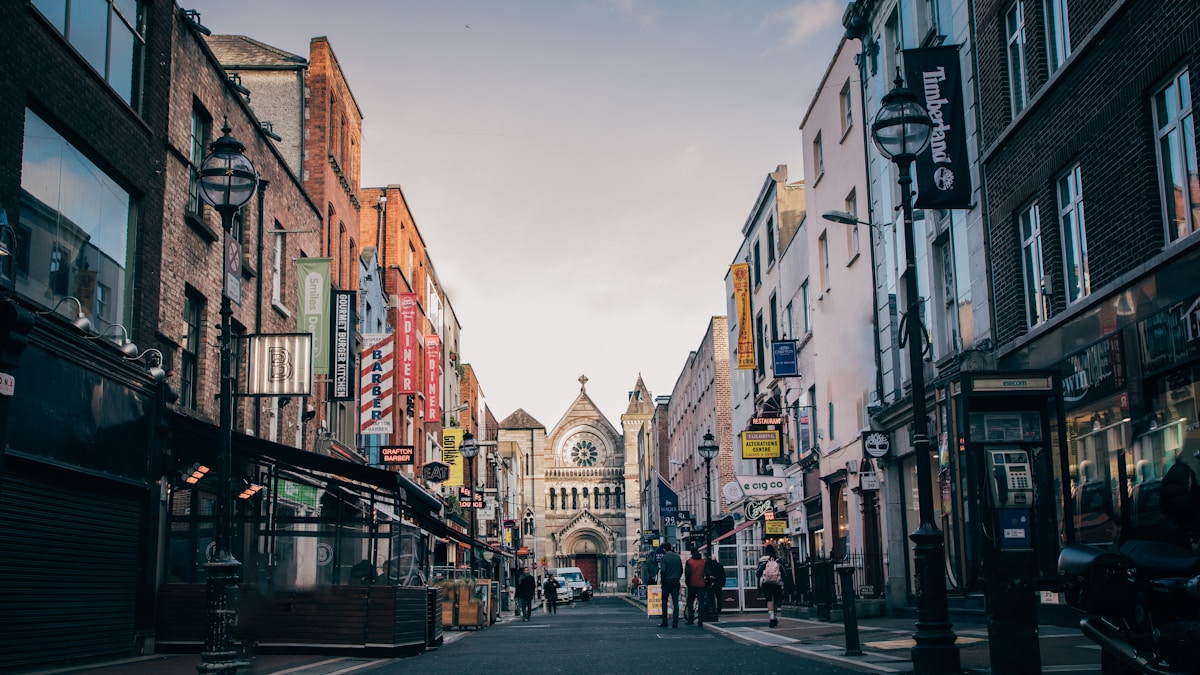
Three days in Dublin is the sweet spot. It’s enough time to see the main attractions without feeling rushed, enough time to actually experience the city rather than just tick boxes, and short enough that you don’t get bored. Here’s how to do it properly.
The key to three days in Dublin is accepting that the city’s small and walkable. You can literally get from one side to the other in 20 minutes on foot. That means you don’t waste time on transport, and you can actually explore instead of just hopping between tourist attractions.
Day One: The Centre and the Essentials
Start with Trinity College and the Book of Kells. This is the core Dublin experience and it’s genuinely worth doing early in the day before it gets rammed.
Get there right when they open, ideally around 8.30am if you can manage it. Entry to see the Book of Kells and the Old Library is around 15 euros and you can buy tickets online in advance, which helps dodge the queue. You’ll spend about 90 minutes here. The Book of Kells is an ancient manuscript created by Celtic monks around 800 AD. It’s one of Ireland’s greatest cultural treasures and it’s genuinely impressive in person, even if it’s tiny. The Old Library is the highlight though: a massive room with floor-to-ceiling books and this extraordinary echo and smell that’s genuinely special.
Once you’re done, walk around Trinity College campus. It’s genuinely beautiful and you can wander freely outside the library building. It’s got real Dublin character, proper history, and it’s the kind of place where you understand why this college matters. You’ll see Georgian architecture, lush quads, genuine ivy on walls. It’s the kind of place that makes you understand Dublin’s intellectual history.
Grab coffee somewhere nearby. Temple Bar area has tons of cafes but they’re touristy and expensive. Head toward Exchequer Street or Wicklow Street instead. You’ll find proper Dublin cafes with better coffee and less tourist markup. Take a proper hour here. Rest your feet. Get a proper coffee. Sit down.
Spend the afternoon in the Guinness Storehouse. This is 25 euros per person and it includes a drink at the end. Budget two hours. The lower floors walk you through Guinness history, the brewing process, advertising through the decades. The upper floors are less interesting but you get to the Gravity Bar on the 7th floor where you get your included pint and 360-degree views of Dublin. It’s genuinely brilliant for photos and the views are the best 360 you’ll get of the city. You’re drinking at 500 meters above street level basically. The Gravity Bar experience is genuinely special.
Get dinner in Temple Bar or nearby. It’s touristy, yes, but it’s also where the atmosphere is on an evening. Walk around, get a feel for the streets and the bars, pick somewhere that doesn’t look too grim. Most places will serve decent food. Budget 40 to 60 euros per person including a drink or two.
Evening: walk back through the city centre toward your accommodation. Get a feel for Dublin at night, see the streets, understand the geography. You’ll walk past lit buildings, proper Dublin nightlife, genuine atmosphere.
Day Two: More Culture and Local Vibes
Start with the Book of Kells area if you didn’t finish exploring yesterday, or head toward the EPIC Emigration Museum. It’s in the Docklands, which is a bit removed from the tourist centre, and that’s actually brilliant. It means fewer crowds and you get to see a different part of Dublin.
EPIC is around 18 euros and it’s genuinely impressive. It tells the story of Irish emigration through interactive exhibits. You’ll learn about Irish people who left Dublin and built lives elsewhere. It’s moving, it’s well done, and it feels less like a tourist tick-box than some attractions. Allow 90 minutes.
Walk around the Docklands afterwards. It’s modern, it’s gentrified, but there’s something brilliant about seeing Dublin’s historic port area rebuilt into restaurants and cafes and bars. You get a sense of how the city’s changing. The architecture is interesting, mixing old warehouses with new development.
Grab lunch in the Docklands. There are proper restaurants here, not tourist traps. Budget 30 to 40 euros per person. The area has great views and it’s worth spending time here rather than rushing back to the centre. There are riverside walks, good views of the Liffey.
Afternoon: head back to the city centre and walk toward St Stephen’s Green. This is one of Dublin’s best parks. It’s genuinely lovely, there are seats, there’s a lake, there are ducks and swans. Spend an hour here just sitting and people-watching. Grab a coffee from the cafes around it. This is genuinely restful time. Watch Dublin happen around you.
Evening: explore a neighbourhood. Head to Camden Street or Wexford Street if you want local bars and restaurants. This is where actual Dubliners go, not tourists. You’ll find proper pubs with decent food, live music venues, character. Get dinner somewhere here. Budget 30 to 45 euros per person for a proper meal and a couple of drinks. You’ll feel like you’re discovering the real Dublin.
Day Three: Neighbourhoods and Coastal Walks
You’ve done the main attractions, so day three is about exploring areas that feel like real Dublin.
Do a walk. The Royal Canal Way is flat and scenic, runs through Dublin 6 and 7, and takes you through residential areas where you see actual Dublin life. It’s completely free. Budget 90 minutes for a 5km walk. You’ll see gardens, bridges, locks, proper Dublin geography. This is what Dublin feels like to people who actually live here.
Alternatively, if you’re near the coast, take the DART train to Howth or Dun Laoghaire. Howth is a fishing village at the end of the bay. The walk around Howth Harbour and the headland is stunning and takes about an hour. There are seafood restaurants at King Sitric or Aqua if you want a proper meal with views. The harbour walk is free and genuinely beautiful.
Dun Laoghaire is similar, with a seaside pier and restaurants overlooking Dublin Bay. The pier itself is impressive and genuinely Irish.
If you stay in the city, explore the neighbourhoods around your accommodation. Every area of Dublin has character if you look. Go to a local pub, order a coffee, sit and watch Dublin happen. This is genuinely the best way to understand a city.
Afternoon: visit a museum if you’ve still got energy. The National Gallery is free and genuinely good. The Irish Museum of Modern Art is brilliant if you’re into contemporary work. Budget an hour to 90 minutes. These places are real gems and worth exploring if you’ve got the energy.
Final evening: grab dinner somewhere nice. Dublin 2 around Baggot Street has proper restaurants. If you’ve fallen in love with the Docklands, go back there. Have a final drink and enjoy knowing you’ve actually experienced Dublin rather than just toured it.
The Money Reality
Budget roughly:
- Accommodation: 80 to 150 euros per night depending on quality
- Book of Kells and Trinity: 15 euros per person
- Guinness Storehouse: 25 euros per person
- EPIC Museum: 18 euros per person
- Meals and cafes: 25 to 50 euros per day per person
- Drinks: 30 to 50 euros per day per person
- Transport: mostly walking, maybe 10 to 20 euros for DART or taxis
Total: roughly 200 to 400 euros per person for the three days depending on your choices and where you stay.
Top Tips for Three Days in Dublin
Don’t try to do everything. Dublin’s got tons of attractions but you’ll burn out if you’re moving every hour. Pick three or four main things and fill the gaps with walking, cafes, and local exploration.
Book major attractions in advance online. It saves you time and money on entry fees.
Use your feet. Dublin’s flat and compact. You’ll see more and understand the city better if you walk instead of using transport.
Don’t spend all three days in Temple Bar. It’s great for atmosphere but it’s also where all the tourists are. Explore other areas where real Dublin happens.
Talk to local people. Dubliners are genuinely friendly and will give you better recommendations than any guidebook.
What You’ll Actually Experience
Three days in Dublin isn’t enough to know Dublin completely, but it’s enough to fall in love with it. You’ll see the history in Trinity College, you’ll understand the city’s character in the pubs and streets, you’ll get the views from the Gravity Bar, you’ll experience the genuine atmosphere of Temple Bar without it taking over your trip. You’ll leave knowing Dublin is somewhere you want to come back to.
For more inspiration on weekends in Dublin, check out our things to do this weekend guide, our bank holiday weekend ideas, our romantic anniversary experiences, or our guide to hidden gems in Dublin for spots that most visitors miss. If you’re visiting in winter, our Christmas in Dublin guide is essential reading.
You can also explore via GetYourGuide tours if you want guided experiences: https://www.getyourguide.com/dublin-l31/?partner_id=OJMD8N4
Looking for something to do?
Browse hundreds of upcoming events across Dublin - gigs, comedy, theatre, sport and more.
Part of our guide
Things to Do in Dublin This Weekend
Read the complete guide →