Dublin's Music History: From U2 to Fontaines D.C.
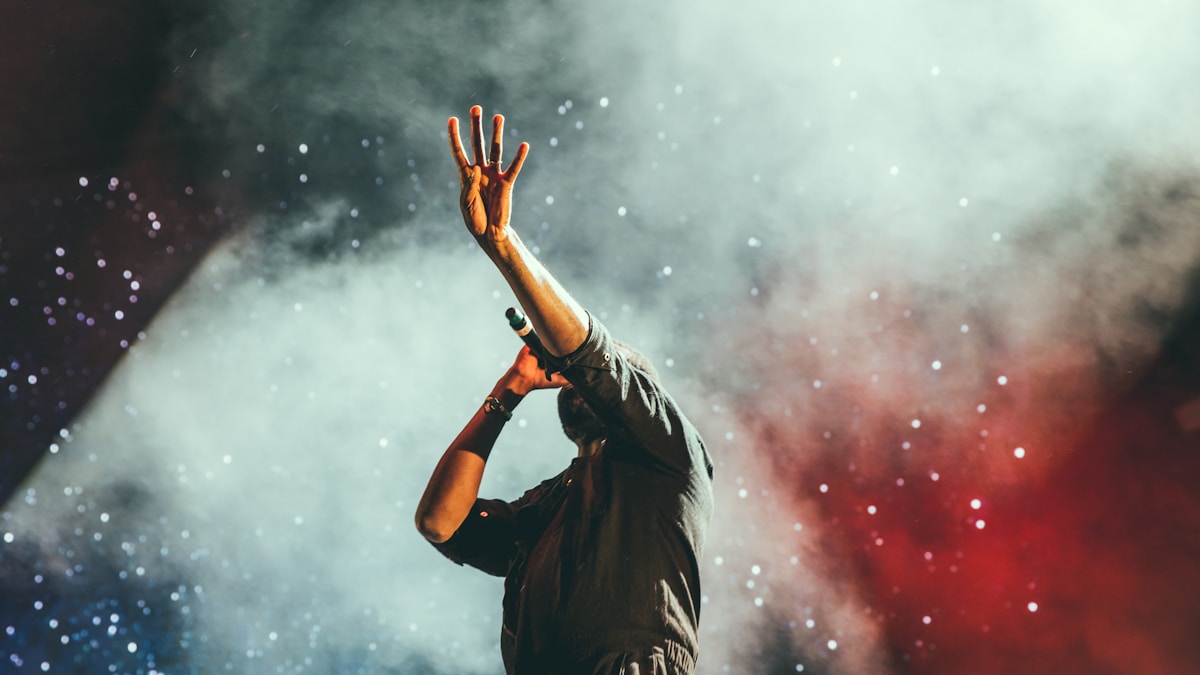
Dublin isn’t just a city with a music scene. It’s a city that has defined what Irish music means to the world. From the raw energy of Thin Lizzy and The Boomtown Rats to the global dominance of U2, and now the fierce indie credibility of Fontaines D.C., this city has been the birthplace of some of the most important music of the past fifty years. If you’ve ever wondered what makes Dublin’s music culture so special, it’s time to dig deeper.
The Golden Age: 1970s and 1980s
Let’s start with the rock. In the mid-1970s, Dublin gave the world Thin Lizzy, fronted by the charismatic Phil Lynott. Songs like “The Boys Are Back in Town” and “Jailbreak” became anthems, mixing hard rock swagger with an unmistakably Irish sensibility. Lynott wasn’t just a musician, he was a cultural figure, proving that Irish artists could compete on the world stage without abandoning who they were.
Thin Lizzy’s legacy goes beyond their hit singles. They were a blueprint for how Dublin bands could operate: rooted locally, ambitious internationally, unafraid to make music that felt distinctly Irish while appealing to global audiences. They toured relentlessly, they influenced countless bands that came after, and they demonstrated that Dublin wasn’t a musical backwater. It was a place where real, lasting music was being created.
Around the same time, The Boomtown Rats, led by Bob Geldof, brought punk energy and political edge to Dublin’s music scene. They weren’t trying to be Americans or British, they were distinctly Irish, distinctly Dublin. Hits like “I Don’t Like Mondays” aren’t just catchy, they’re sharp commentary wrapped in brilliant melodies. The song’s lyrics respond to a real shooting incident, giving it weight beyond the pop sheen. Geldof later became a spokesperson for global causes, but his roots in Dublin’s musical rebellion shaped everything he did.
Then came Sinead O’Connor. Her powerful, classically trained voice and fearless willingness to push boundaries made her a legend. When she tore up a photograph of the Pope on American television in 1992, she proved that Dublin artists didn’t just make music, they made statements. O’Connor’s career showed that Dublin could produce artists of genuine artistic depth, people willing to sacrifice commercial success for integrity. That’s a tradition Dublin holds dear.
The U2 Era: 1980s to 2000s
If Thin Lizzy and The Boomtown Rats prepared the ground, U2 built the castle.
Formed in Dublin in 1976, U2 started in the post-punk landscape of the late 1970s and evolved into something genuinely unprecedented: an Irish rock band that didn’t just dominate the charts, they influenced how rock music sounded for decades. Albums like “The Joshua Tree” (1987) didn’t just sell millions, they defined the 1980s. The album’s atmosphere, production, and songwriting set a standard that other artists spent years trying to match. Bono, The Edge, Adam Clayton, and Larry Mullen Jr. created a template for arena rock that still holds influence today.
What’s crucial about U2’s legacy in Dublin is that they stayed. They recorded here, they toured from here, and the city remained central to their identity even as they became the biggest band in the world. The Windmill Lane Studios, where they recorded some of their most important work, became a pilgrimage site for music fans. That building became as iconic as any of the band members.
Their influence on Dublin’s music culture cannot be overstated. They showed that Dublin artists could think globally while creating something distinctly rooted in Irish identity. Every band that came after has, in some way, been shaped by the path U2 blazed. They proved it was possible. That matters more than people sometimes realise.
The 2000s and Beyond: From The Frames to Hozier
After U2’s reign, Dublin continued producing significant artists who refused to fade into the background.
The Frames, fronted by Glen Hansard, brought an understated brilliance to Irish rock. Their music was introspective, emotionally intelligent, and rooted in folk traditions while remaining contemporary. Hansard later won an Academy Award for “Falling Slowly” from the film Once, which itself was set in Dublin and featured the city’s folk and indie scene. That Oscar win on an Irish film about Dublin’s music culture felt right. It was Dublin recognising itself.
Hozier emerged from Dublin in the 2010s with soulful, poetic indie-folk that felt completely fresh while honouring Ireland’s folk traditions. His debut self-titled album was a global success, proving that Dublin artists could still break through on the world stage with authentic, deeply personal music. Hozier didn’t try to be contemporary in the way of electronic music or commercial pop. He created something timeless, and that’s part of why it resonated globally.
Dermot Kennedy is another Dublin artist who found global success, bringing introspective indie-pop to international audiences. Dublin in the 2000s and 2010s wasn’t producing just one type of artist. It was producing diverse voices, all rooted in Dublin’s sensibility, all finding audiences worldwide.
The Current Scene: Fontaines D.C. and the Indie Revolution
If the 1980s belonged to U2, the 2020s belong to Fontaines D.C.
Formed in Dublin in 2014, Fontaines D.C. (Dublin City) came up through the city’s intimate venue circuit, playing small gigs at The Workman’s Club, Whelan’s, and The Grand Social. Their debut album “Dogrel” (2019) was raw, poetic, and uncompromising. It was deliberately rough, deliberately specific to Dublin, deliberately uninterested in polish. And critics loved it.
But it was their third album “Skinty Fia” (2022) that catapulted them to the top. The album hit number one on both the Irish and UK charts and won the Brit Award for International Group. That’s major. They weren’t some niche indie band anymore. They were genuinely important, genuinely competing with global acts at the highest level.
What makes Fontaines D.C. so important is that they’re carrying forward Dublin’s tradition of bands that refuse to dilute their identity to fit global expectations. Their music is distinctly Dublin, steeped in the city’s current anxieties and cultural tensions. You can hear Dublin in their lyrics, in their accent, in their perspective on the world. They’ve played massive venues like the 3Arena and performed at festivals worldwide, but they remain rooted in what made them: the city, the streets, the accent, the perspective.
Alongside them, bands like Inhaler (fronted by U2’s Elijah Hewson, which closes a beautiful circle) are proving that Dublin’s indie scene isn’t a one-band phenomenon. Inhaler brings rousing, confident indie-rock that borrows from Dublin’s rich musical heritage while pushing forward with their own voice. They’ve released multiple albums and are firmly established as part of Dublin’s current music conversation.
Where the Magic Happens: Venues That Shaped the Sound
Dublin’s music history isn’t just about the bands themselves, it’s about the venues where they developed their craft and found their voice.
The Workman’s Club, a 19th-century working men’s social club, became ground zero for the 2010s indie resurgence. Bands like Fontaines D.C., Shame, and countless others cut their teeth here. It’s tiny, cramped, and absolutely essential to understanding modern Dublin music. The intimacy of the space created an intensity that larger venues can’t replicate.
Whelan’s on Wexford Street has been hosting gigs since the 1980s and remains one of the best mid-sized venues in the city. It’s where countless Dublin bands have played before moving on to larger stages. The intimacy of Whelan’s means you can still catch emerging artists in a setting where you can actually see them sweat, see their vulnerabilities, see the real work of making music.
The Grand Social is another crucial venue, known for supporting new and experimental acts. It’s upstairs, stripped-back, and feels like the kind of place where important music gets made. Venues like this matter because they provide a bridge between small pub gigs and major concert halls. They’re where bands develop, where they learn how to perform, where they build their audience.
The Button Factory, Vicar Street, and Bruxelles all played roles in nurturing Dublin’s music scene at different eras. Each has hosted the bands that would later play stadiums. Each represents a moment in Dublin’s musical evolution.
The Sound of Dublin
One thing that strikes you about Dublin music history is how consistent the DNA is, even as styles change. Whether it’s Thin Lizzy’s blues-rock groove, U2’s atmospheric stadium rock, The Frames’ introspective folk, or Fontaines D.C.’s post-punk poetry, there’s something recognisably Dublin about it all.
Part of this comes from the city itself. Dublin’s architecture, its mix of ancient and modern, its literary tradition, its social contradictions, its mix of affluence and struggle, all find their way into the music. Dublin artists write about Dublin, and that specificity gives their work depth and authenticity that travels.
The Irish accent appears naturally in Dublin music, whether it’s Bono’s occasional vocal inflections or Grian Chatten’s unmistakable Dublin brogue on Fontaines D.C. records. The accent isn’t performed or exaggerated. It’s just there, which is why it works so well. It grounds the music in place.
Experiencing Dublin’s Music Heritage Today
If you want to experience Dublin and explore its music heritage, consider booking a guided music tour of Dublin to get the full context. Alternatively, if you want to experience Dublin’s music history firsthand, you’ve got options beyond just listening to records.
You can visit the sites where bands got their start: stand outside Windmill Lane Studios where U2 recorded, walk past The Workman’s Club where the indie revolution gestated, grab a drink at Whelan’s and catch a band that might be tomorrow’s headliners. The Smithfield area, home to The Cobblestone and several other traditional music venues, connects you to Ireland’s deeper folk roots that underpin much of the city’s music culture.
Better yet, go see live music. That’s where Dublin’s music history continues to be written. Every night there are gigs happening across the city, from tiny basement rooms to the 3Arena. The bands playing in small venues today could be playing stadiums tomorrow. That’s the Dublin way. That’s how it works.
For more on where to hear live music, check out our guide to Summer Gigs and Outdoor Music in Dublin and information on Late Night Music in Dublin.
The Legacy Continues
What’s remarkable about Dublin’s music history is that it’s not finished. U2 still tours and records. Fontaines D.C. is in their prime, arguably the most important British or Irish band making music right now. Bands are forming in bedrooms across Ballymun and Ballsbridge. The music keeps evolving, keeping what works from the past while pushing relentlessly forward.
For more on Dublin’s live music scene, check out our guide to Live Music in Dublin. If you want to understand where specific venues fit into this story, read our piece on the Best Music Venues in Dublin. And if you’re interested in the economics of going out to gigs, you might find our article on Hidden Fees in Dublin Gig Tickets revealing.
Dublin has always understood something that other cities sometimes forget: music isn’t decoration. It’s central to how a city sees itself and how the world sees the city. From Thin Lizzy to Fontaines D.C., Dublin’s music history is a conversation between past and present, between local and global, between the very personal and the genuinely universal. That conversation continues every single night, in venues across the city. You can be part of it.
Looking for something to do?
Browse hundreds of upcoming events across Dublin - gigs, comedy, theatre, sport and more.
Part of our guide
Live Music in Dublin
Read the complete guide →